Matisse’s Nice
Henri Matisse arrived in Nice in 1917. The Musée Matisse’s account of his time in the city traces the places where he lived and worked. It provides a useful introduction to the rooms and everyday surroundings associated with that period of his life.
For visitors interested in interiors, this is a particular reason to spend time with his work. Windows, fabrics and objects offer subjects for close looking alongside the wider view of the Riviera. A room’s arrangement affects the relationships between them. That interest can carry into a museum visit without requiring plans to acquire a work or change a house.
How the collection took shape
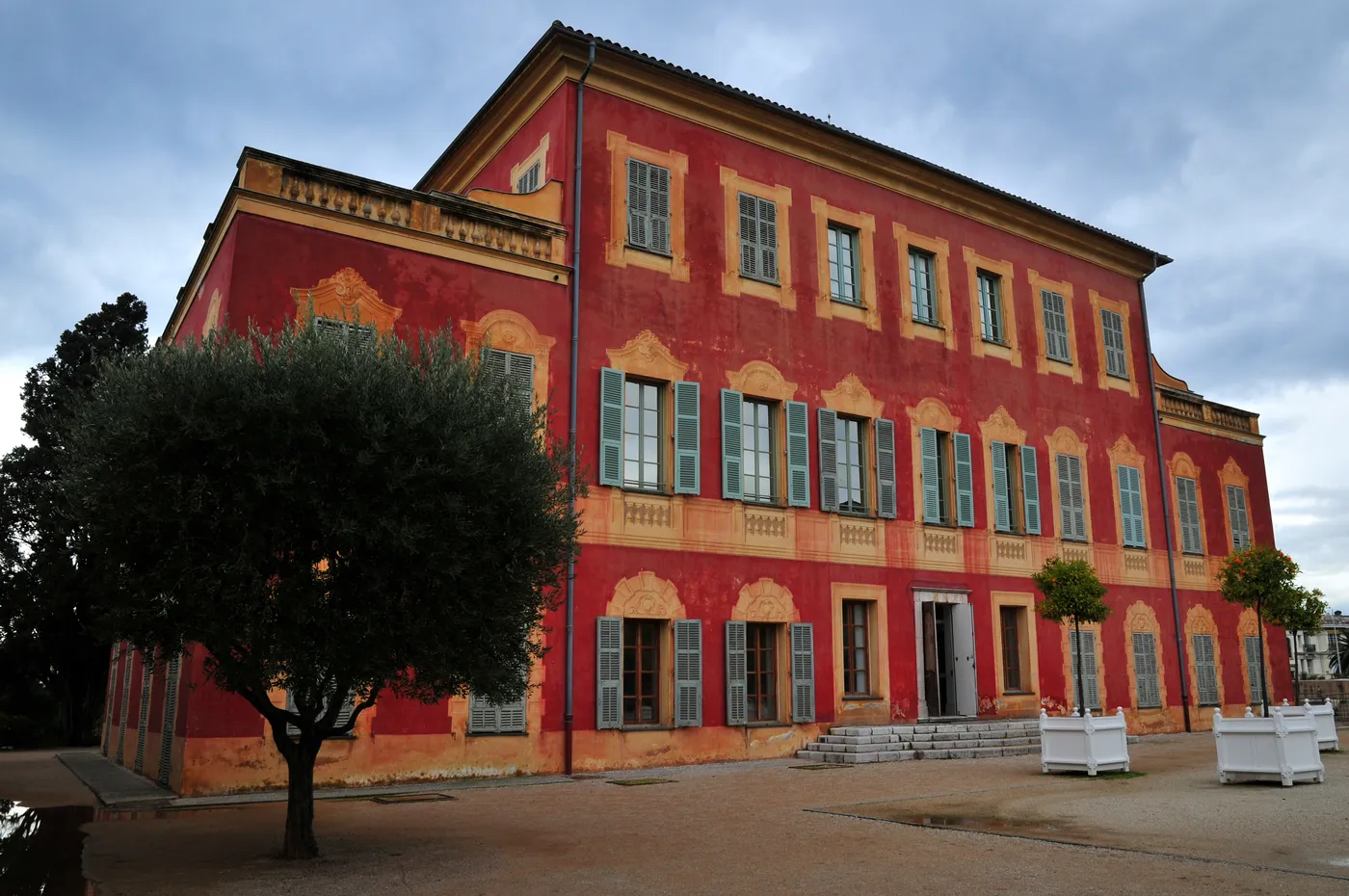
The museum’s history describes donations by Matisse and his heirs and the establishment of the museum in the Villa des Arènes. Those decisions help explain the collection visitors encounter. The museum’s own account is a useful companion to the works, especially for a first visit.
Current visitor information and exhibition details belong on the museum website. A historical account of the collection does not establish which works will be on display on a particular day. A private guide can help provide context, although the programme still needs time for visitors to look without a continuous explanation.
Looking at a few works
Comparing two works closely gives the visit a manageable focus. The position of an object or the relationship between a window and a room offers something specific to discuss. Looking again after reading a label can change which details attract attention.
A group need not share the same response. Someone interested in textiles may notice a different part of a work from someone who collects sculpture. Leaving room for those preferences makes a guided visit more useful. It also prevents the itinerary from becoming a race to cover everything in the building before the next appointment.
Interiors after the museum
The design interest extends to an ordinary room. A textile viewed beside a window looks different as the daylight changes. The distance between a chair and a work affects whether someone can sit and look at it comfortably. These are small observations that can inform a later conversation with an interior designer.
They require no immediate commission or purchase. Moving a seat, examining the light on a wall or reconsidering an object’s position can be enough. A museum visit and a private collection involve different settings, but both depend partly on the conditions in which people look. The Musée Matisse’s history and its account of Matisse in Nice provide the factual background for that visit.